

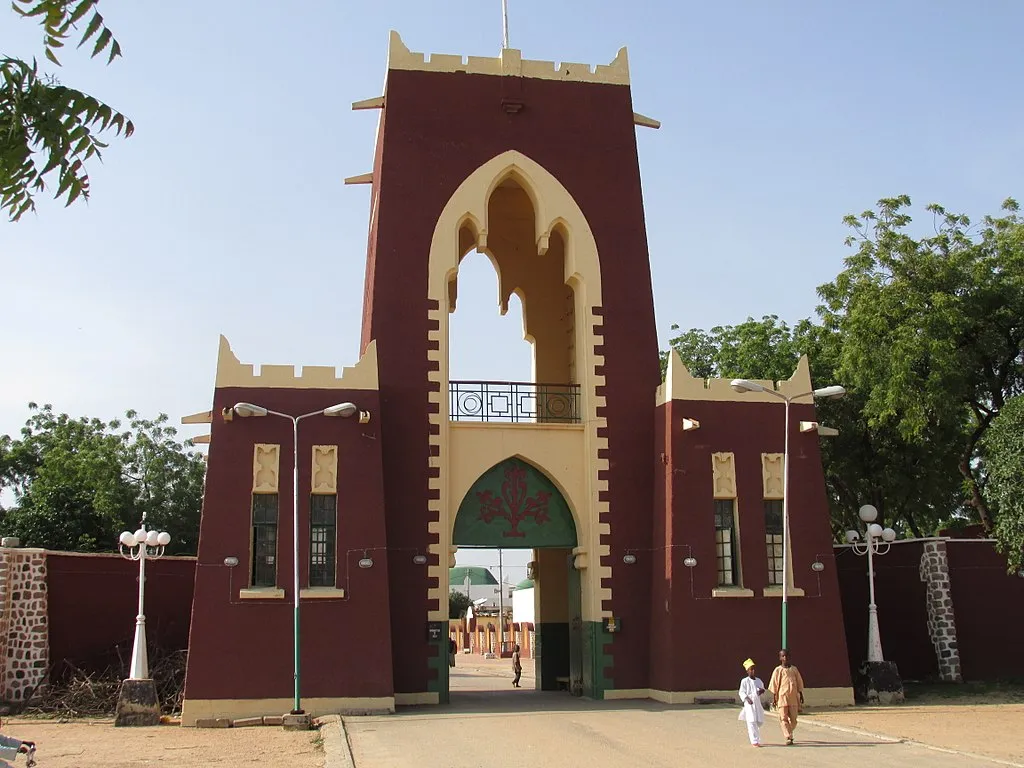
Abba Gida Gida’s Land Reform: From Paper Files to Digital Cities

Abba Gida Gida’s Land Reform: From Paper Files to Digital Cities
How Hon. Abduljabbar M. Umar Is Transforming Land Administration in Kano State
Not long ago, land administration in Kano State was a slow and frustrating experience. Long queues snaked through ministry corridors, dusty files piled up in overcrowded offices, and critical records often went missing. Obtaining a Certificate of Occupancy could take years. Maps contradicted one another, land ownership was frequently disputed, and illegal land dealers operated openly within government premises. Public confidence was thin, and the system struggled to keep pace with the demands of a rapidly growing city.
That reality began to shift in 2023 with His Excellency Governor Abba Kabir Yusuf’s visionary appointment of Honourable Abduljabbar M. Umar as Commissioner for Lands and Physical Planning. What followed was not a cosmetic adjustment, but a deliberate and far-reaching overhaul of how land is governed, documented, and planned in Kano State.
The first battle was internal. Years of weak institutional structures, overlapping mandates, and unclear lines of responsibility had slowed the Ministry’s effectiveness. Hon. Abduljabbar responded with a comprehensive restructuring across eight key departments, redefining roles, strengthening oversight, and restoring professional discipline. Processes that once moved in circles began to move with purpose and clarity.
One of the most symbolic and decisive breaks from the past was the removal of illegal land speculators who had operated within the Ministry’s premises for more than four decades. Their continued presence had normalized sharp practices and eroded public trust. Their eviction, alongside the demolition of unauthorized structures sent an unmistakable message: the era of informal control over public land administration was over.
Rebuilding the Physical and Digital Backbone
Before the reforms, the Ministry and KANGIS offices mirrored the system’s limitations, aging buildings, weak ICT capacity, and fragmented records. Today, the story is different. The renovated headquarters at Gidan Malamai and the upgraded KANGIS complex now house modern workspaces, secured facilities, and enterprise-level ICT infrastructure designed for efficient service delivery.
These improvements made possible the successful completion of Phase One of the Kano Geographic Information System (KANGIS). Ground Control Points were established across the State, introducing a level of mapping accuracy Kano had never experienced. Thousands of land records, survey plans, allocation files, compensation documents, and title deed plans were digitized and georeferenced, effectively closing the chapter on missing files and conflicting records.
Changing the Law to Match Reality
For decades, Kano’s land laws failed to reflect the realities of urban growth. Multi-tenanted buildings operated under single titles, while entire communities existed outside formal planning frameworks. The Kano State Sectional and Systematic Land Titling Registration Law of 2024 fundamentally changed that narrative.
Under the new law, individual units in plazas and shared buildings can now obtain separate legal titles, unlocking investment opportunities and access to credit. Informal settlements are being formally registered, making it possible to plan roads, drainage systems, schools, and utilities in areas previously invisible to official maps.
Equally transformative is the mandatory recertification of existing Certificates of Occupancy through a GIS-based system. What was once vulnerable to forgery and duplication is now traceable, verifiable, and legally secure.
Bringing Land Services to the Screen
In the past, accessing land services meant repeated physical visits, reliance on middlemen, and prolonged uncertainty. Today, the Ministry of Land Revenue Portal has pushed land administration firmly into the digital age. Land searches, C-of-O applications, verification, and payments can now be completed online,transparently, efficiently, and in real time.
The introduction of digital Certificates of Occupancy has significantly reduced land disputes while strengthening data security. With the adoption of ESRI ArcGIS, alongside integrated Cisco and Microsoft systems, land administration in Kano now aligns with global best practices rather than outdated manual routines.
From Records to Revenue and Planning
The reforms have delivered more than administrative efficiency; they have strengthened public finance. Through close collaboration with the Kano State Internal Revenue Service (KIRS), land tax databases were harmonized, reducing leakages and improving billing accuracy. Joint enforcement efforts in commercial zones and Government Reserved Areas have translated into measurable growth in Internally Generated Revenue.
Beyond revenue generation, land data is now driving smart city planning. GIS and satellite imagery support environmental monitoring, zoning decisions, and intelligent land tax modeling. Planning is no longer reactive, it is informed by real-time data and forward-looking growth projections.
Building for the Future
The transformation is still unfolding. Expanded GIS capabilities, continuous staff training, strengthened cybersecurity frameworks, and the full rollout of the 2024 titling law are positioning Kano for long-term urban resilience. Strategic benchmarking with countries such as South Africa, Malaysia, and Turkey ensures that the system continues to evolve in line with international standards.
Recognition Earned Through Results
These reforms have not gone unnoticed. Awards for public sector innovation and GIS excellence, commendations from the Surveyor General of the Federation, and recognition by the Kano State Executive Council all point to one thing: tangible results.
A Lasting Legacy
In just two years, Hon. Abduljabbar M. Umar has led Kano State from a fragmented, paper-driven land system into a transparent, digital, and legally robust framework. What once bred disputes and distrust now supports planning, investment, and sustainable growth. The story of land administration in Kano is no longer about what was broken, but about what is being built, and built to last.
Hassan Sani Tukur

Does your site have a contact page? I’m having trouble locating it but, I’d like to send you an e-mail. I’ve got some recommendations for your blog you might be interested in hearing. Either way, great website and I look forward to seeing it develop over time.
I am really impressed with your writing talents and also with the layout on your weblog. Is that this a paid subject matter or did you customize it your self? Either way stay up the nice quality writing, it is rare to peer a great weblog like this one today..
you could have a great blog here! would you like to make some invite posts on my blog?
uohrfmtysdufnlnzxkirleygswdxmr